01 — Fidelity lab
Inspect the master, not the claim
Every plate on this site is delivered from an eleven-rung AVIF ladder whose top rung is a native 7680×4352 master, every rung of it scored against that master. A normal browser window never selects that rung, so the detail is invisible — and unverifiable. This lab makes it both. Sample any master at true device-pixel scale and audit the bytes behind it.
Native-pixel loupe
Pointer or arrow keys to pan, + / − to change magnification, Enter to pin a sample, Esc to release.
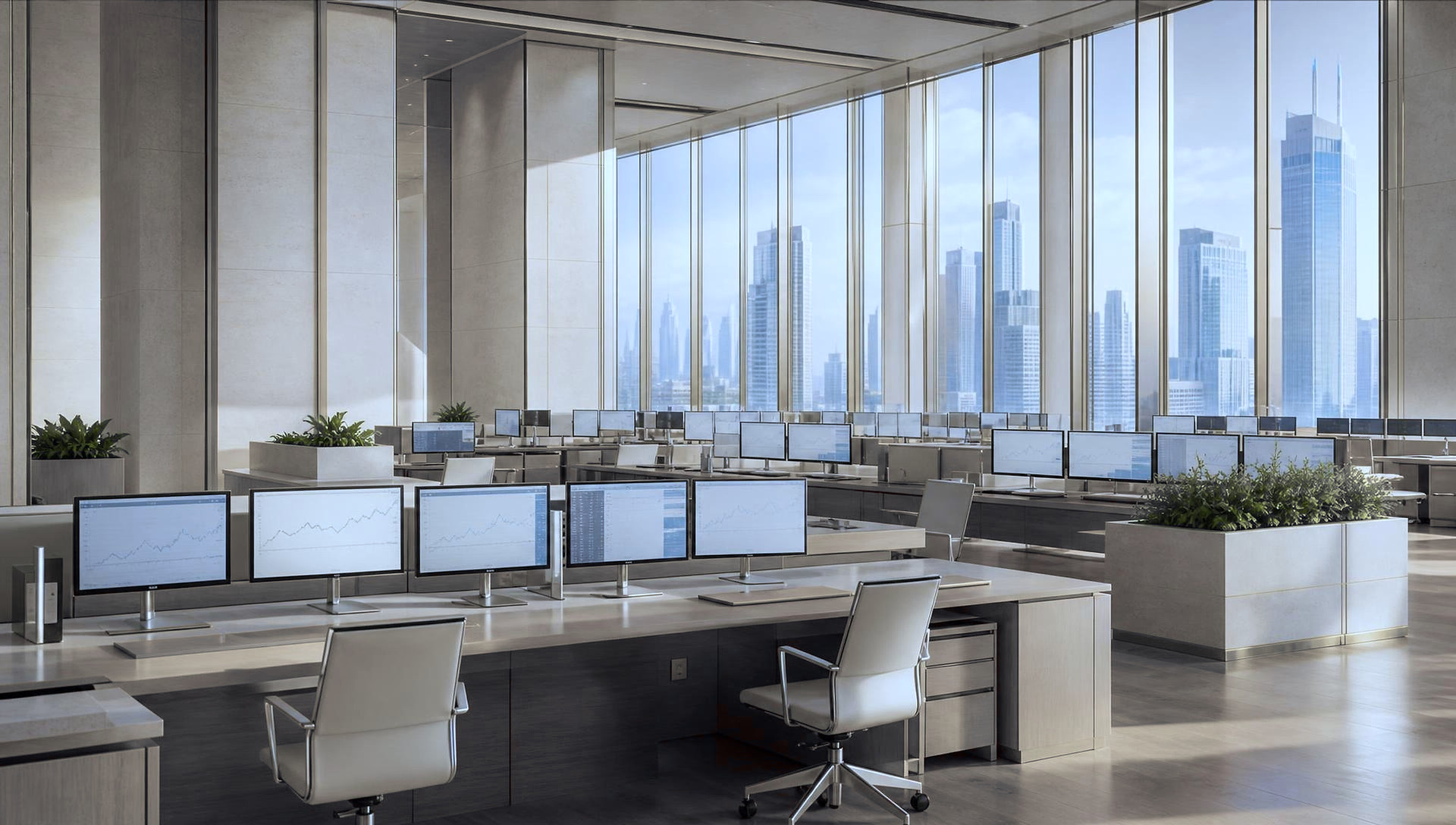
Hover, tap or press an arrow key to engage the loupe
- Master
- 7680×4352
- 33.4 MP AVIF
- Sample window
- 288²
- master pixels
- Loupe gain
- —
- vs. rendered plate
- Headroom
- 4×
- master ÷ 1920 rung
- Device ratio
- 1.00×
- CSS → device px
- Master fetch
- not fetched
- on demand only
The frame above is the 1920px rung a normal visit receives. The loupe reads the 7680px master directly at true device-pixel scale — at 1:1 one master pixel covers exactly one physical pixel on this screen, so nothing you see inside it is interpolated. Pixel grid rendering engages at 4:1 and above, where interpolation would otherwise hide the encode. Pinning holds a sample for comparison; the master is fetched only once you engage.
Rung comparator
Two real origin files, the same crop, wiped against each other at identical display size — with the measured bytes each side costs. Drag inside the frame or use the slider.
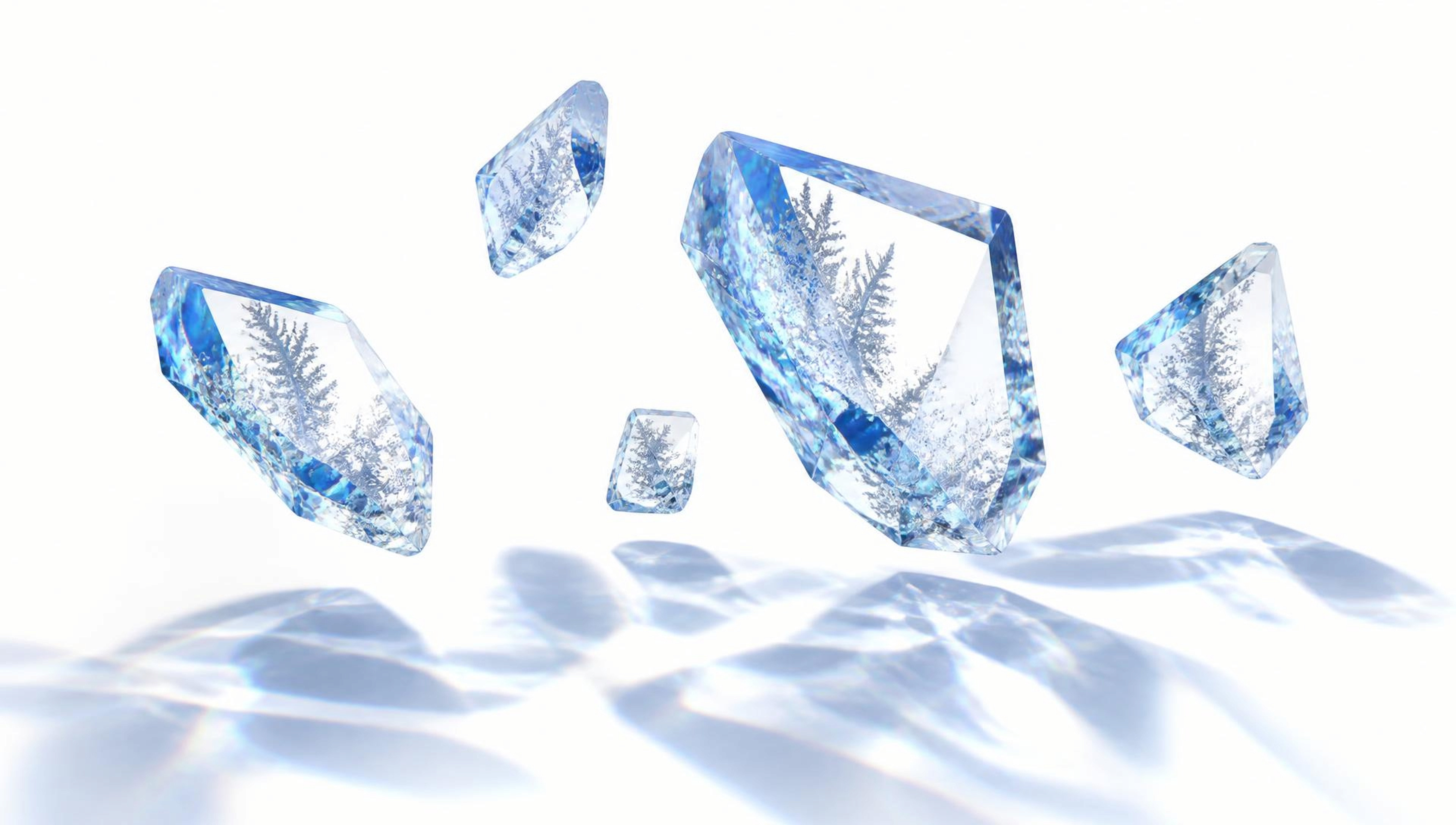
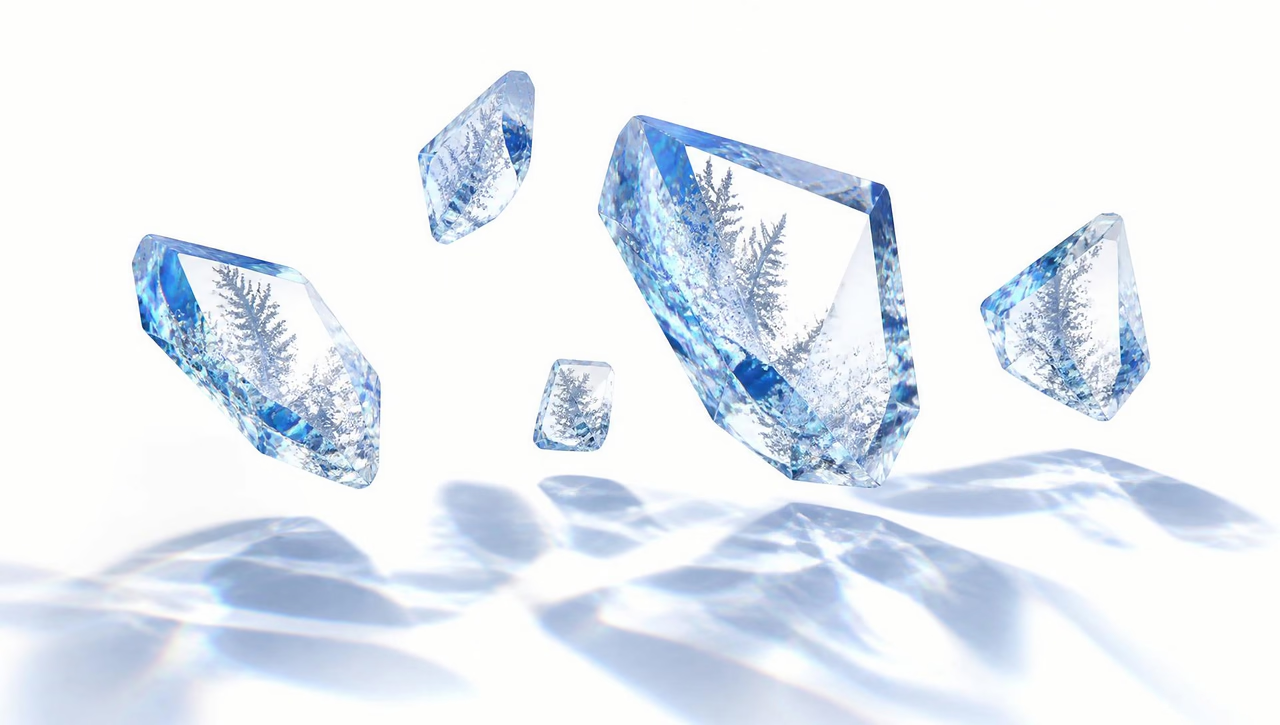
Measuring the transfer size of both rungs from the origin…
Reconstruction metrology
Bytes prove a rung exists; only error metrics prove it reconstructs anything. Every shipped rung is decoded and scored against its master — PSNR for error energy, SSIM for structure — and the same floors fail the build.
Measured reconstruction
PSNR and SSIM per rung, scored against the master at the rung’s own geometry.
Ladder audit
Measures the two hand-encoded top rungs for every plate straight from the origin, then normalises to bytes per megapixel so encode efficiency is comparable across artwork.
Nothing measured yet. The audit issues HEAD requests only, so it costs no image bytes.